Publication · 8 October 2026
Language models in the oversight of public procurement
A Council report on language-model tools in Brazil, Korea, Chile, Colombia and the European Union: of six confirmed systems, two are in operation and only one has published results.
View the publication →
Institutional cooperation · 5 October 2026
Registration in the EU Funding & Tenders Portal
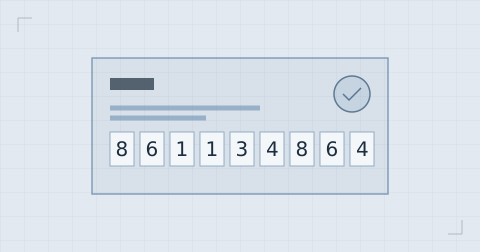
The Council has registered in the European Commission's EU Funding & Tenders Portal and received Participant Identification Code (PIC) 861134864, required to take part in EU funding calls and tenders.
Publication · 4 October 2026
Procurement regimes of Russia and the EAEU
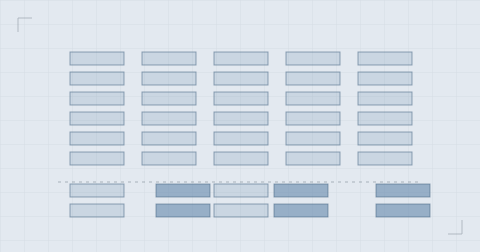
A comparison of Russia, Kazakhstan, Belarus, Kyrgyzstan and Armenia on eight parameters: the procedural rules coincide on six, while complaint review and entry in the register differ substantially.
Read the report →
Intellectual property · 4 October 2026
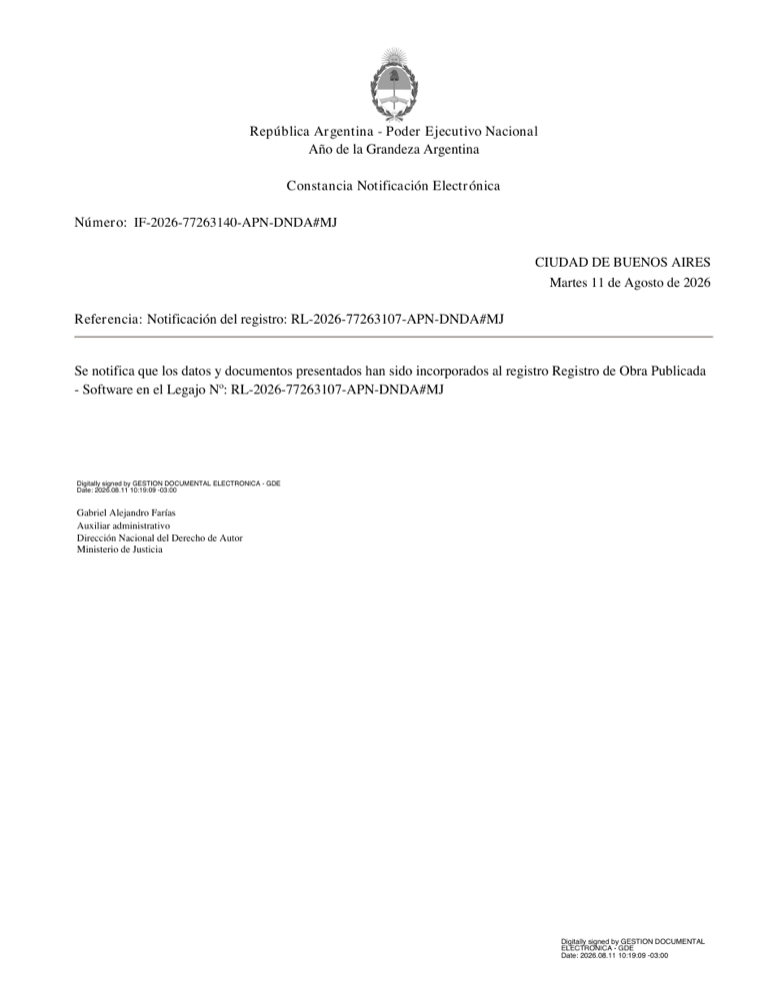
Copyright registration filed for the methodology
An application has been filed with Argentina's Dirección Nacional del Derecho de Autor (DNDA) to register the copyright in the «Metodología de análisis de las contrataciones públicas: proceso integral, Oráculo y monitoreo» (Public procurement analysis methodology: integrated process, Oracle and monitoring) by Ignat Krukovskiy and Dzianis Limarau. File EX-2026-96640522-APN-DNDA#MJ.
Publication · 17 September 2026
A Dead-End Branch of Appeal
Of 28 applications filed with the second instance of the supervisory authority, not one was considered on the merits: 24 were returned and 4 received replies about internal deadlines.
Read the report →
Institutional cooperation · 1 September 2026
Cooperation proposal to the Judicial Council of the City of Buenos Aires
The Council submitted a proposal to cooperate in monitoring the Judicial Council's procurement procedures, within the action plan of the OECD review of its electronic procurement.
Read the OECD review →
Publication · 1 September 2026
Cost of procedures with confirmed violations
A Council study of the share of the value of procedures carrying a risk signal that a review authority confirms as a violation before the contract is signed.
Read the study →
Open data · 1 September 2026
The Council's open dataset
427 challenged and decided procurement procedures, anonymised and released in CSV and JSON together with their anonymisation scripts, under a CC BY 4.0 licence.
View the dataset →
Publication · 14 August 2026
Mechanisms of Corruption in Public Procurement
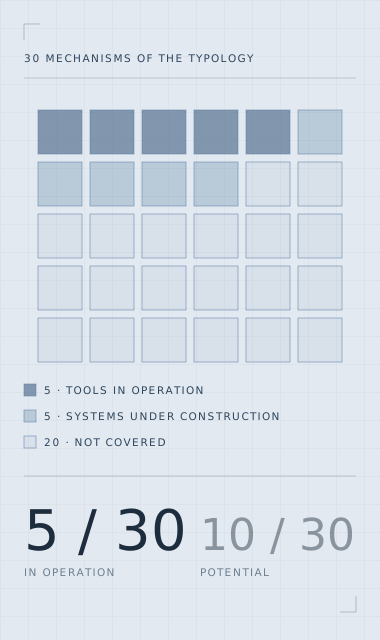
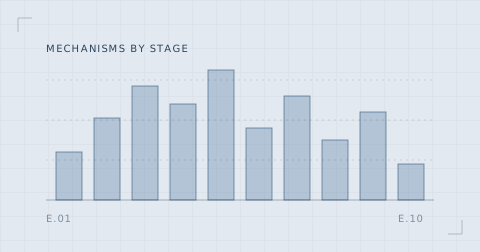
A Council report setting out a typology of 30 mechanisms by stage of the procurement cycle, with risk indicators.
Read the report →